Although I am retired from full time self-employment, I remain the Village Wisewoman of St Buryan, Cornwall. I have set up this blog to share with others my thoughts, feelings and opinions of the ever changing face of my Craft.
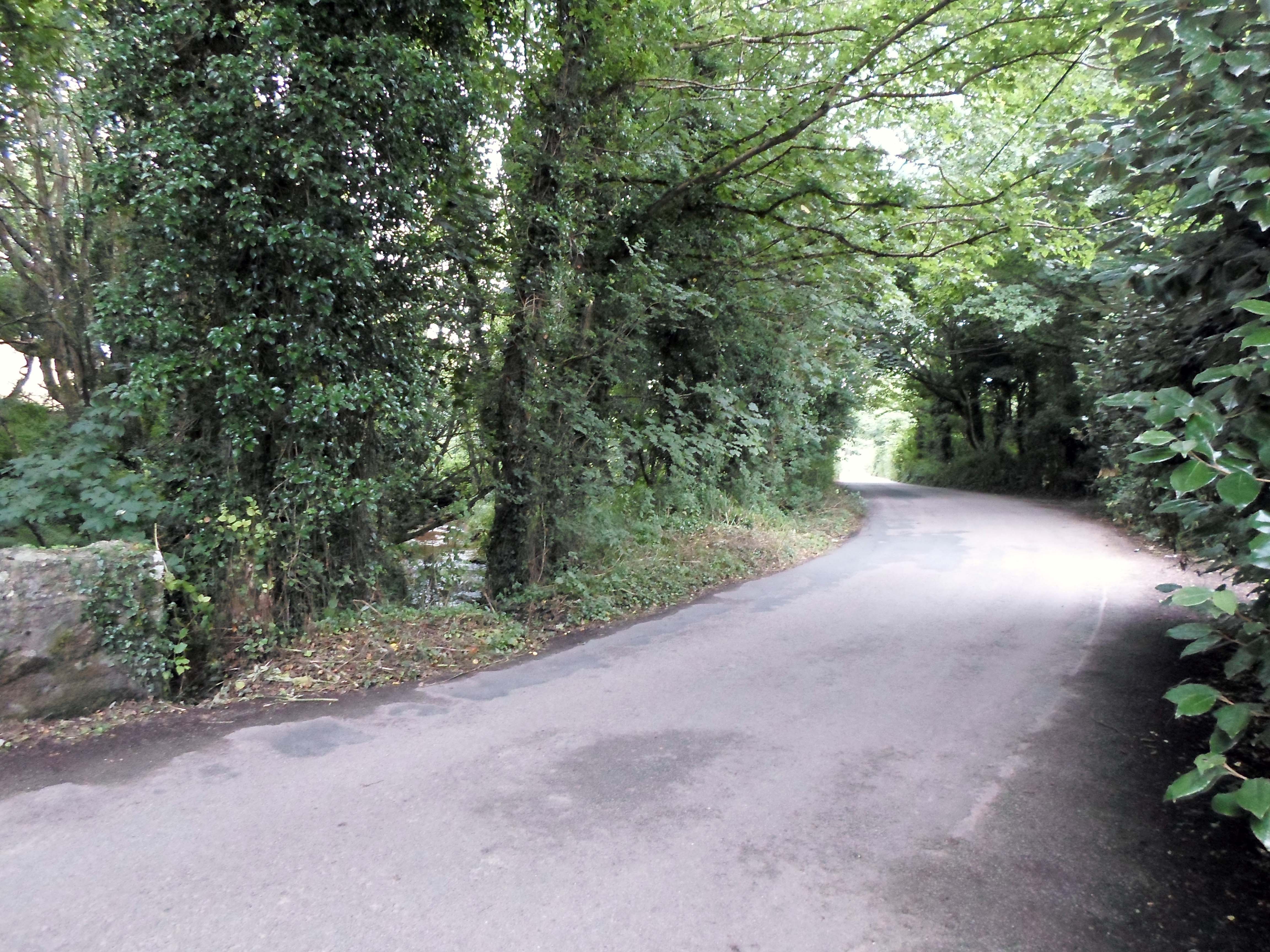
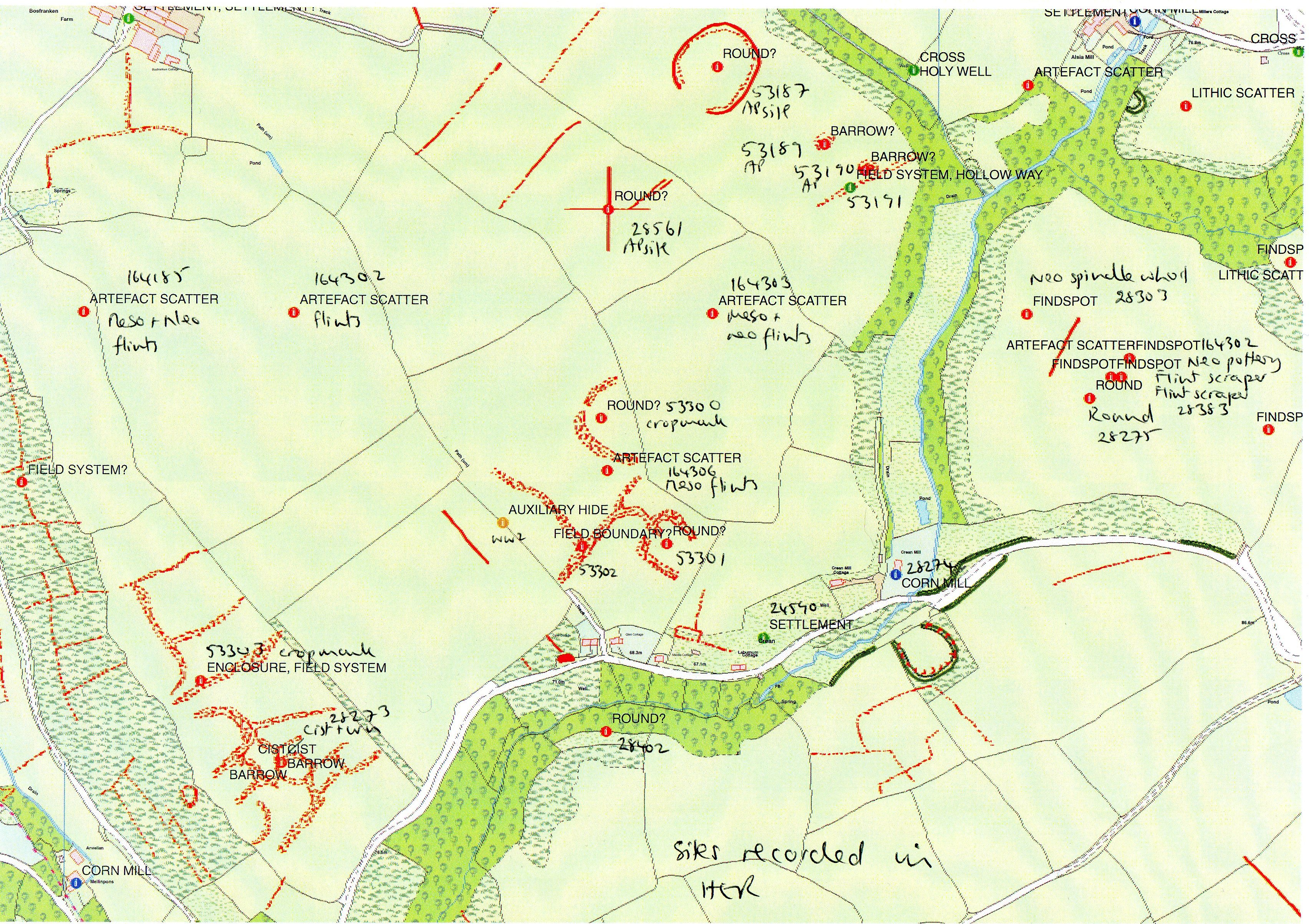
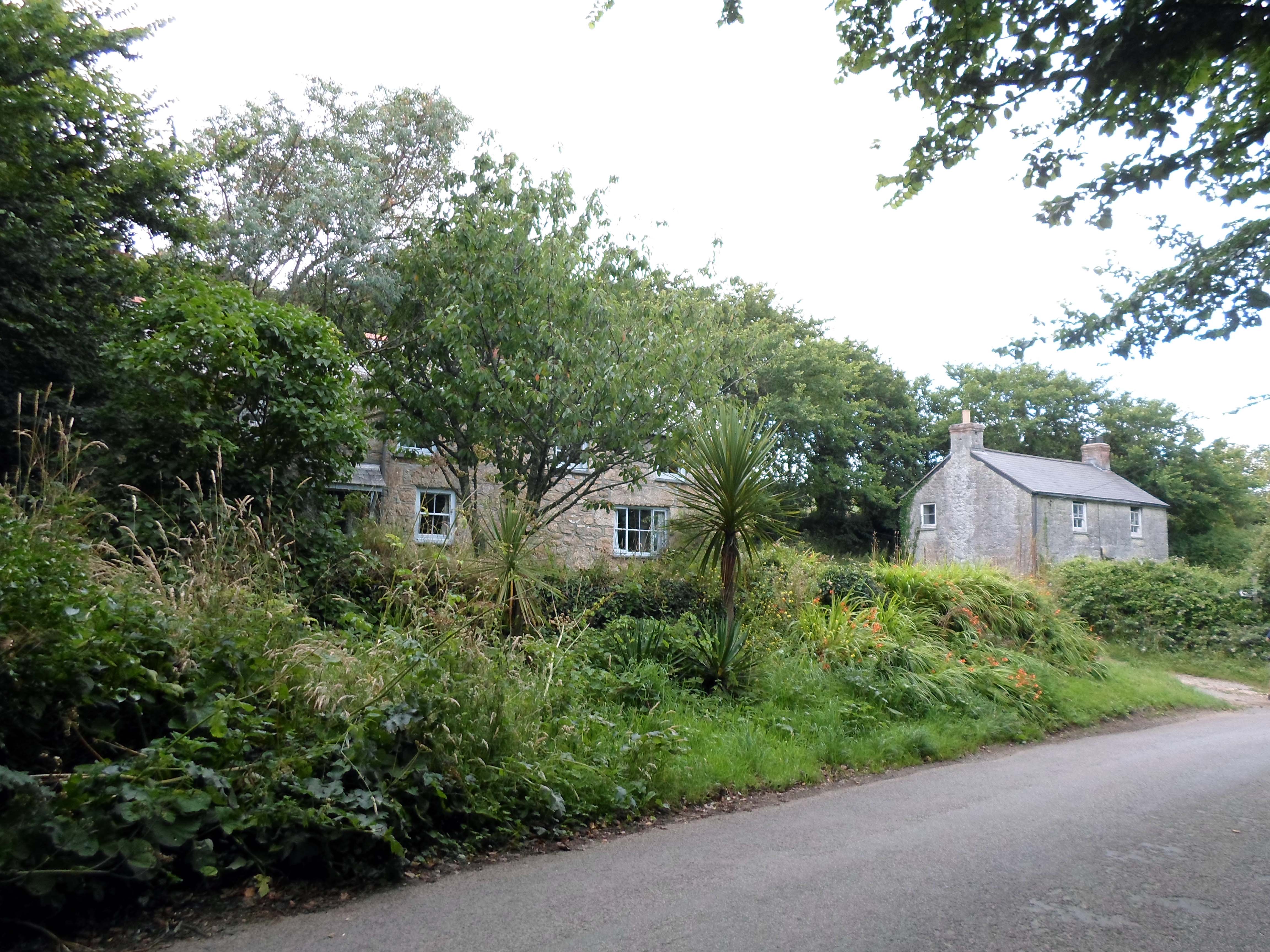
A couple of years ago I had the good fortune to live for a short while in a very special place called Crean. To say that it was magical sounds a bit hackneyed, but it is a true statement about the place. You can feel an ancientness about it which isn’t too surprising when you realise that there has been a settlement there since the Iron Age. Just imagine, an unbroken line of community since prehistoric times…
Within memory there was a total of three corn mills stretching down Crean valley plus a buttery/dairy which served the locality up until relatively recently. We resided in the converted Top Mill which still had the Listed cogs and wheels within the structure and outside the kitchen door was the remains of the waterwheel which powered the mill.
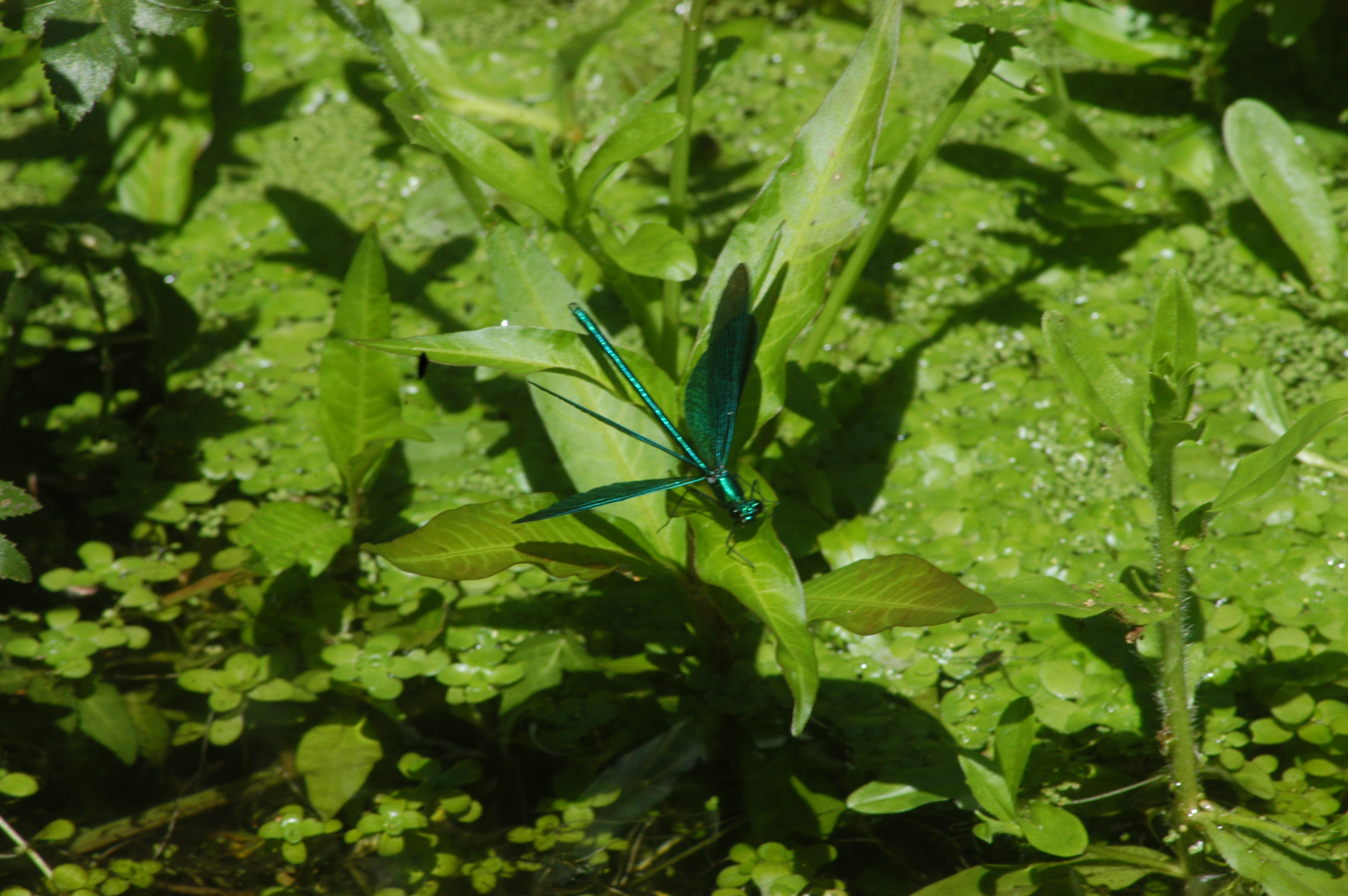
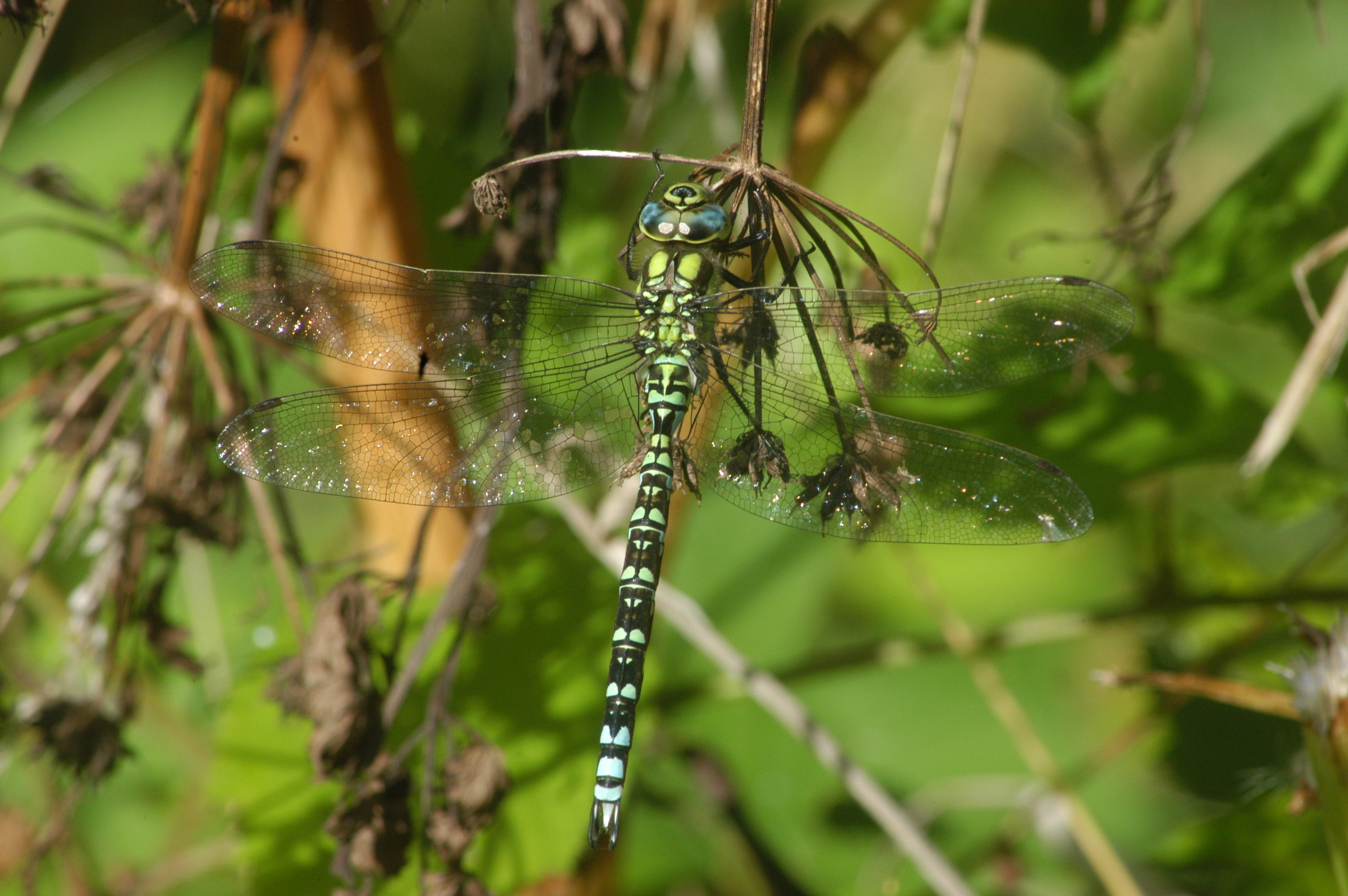
The grounds themselves were outstanding as the renowned Professor Philip Corbet had designed the gardens and ponds as a wildlife habitat. He was the world’s authority on dragon/damselflies who sadly died in 2008 and I have to say that I was truly entranced by all the different species that emerged in the summertime in that special garden. I spent many happy hours recording the sightings and I really miss all the wildlife we observed on a daily basis in Crean.
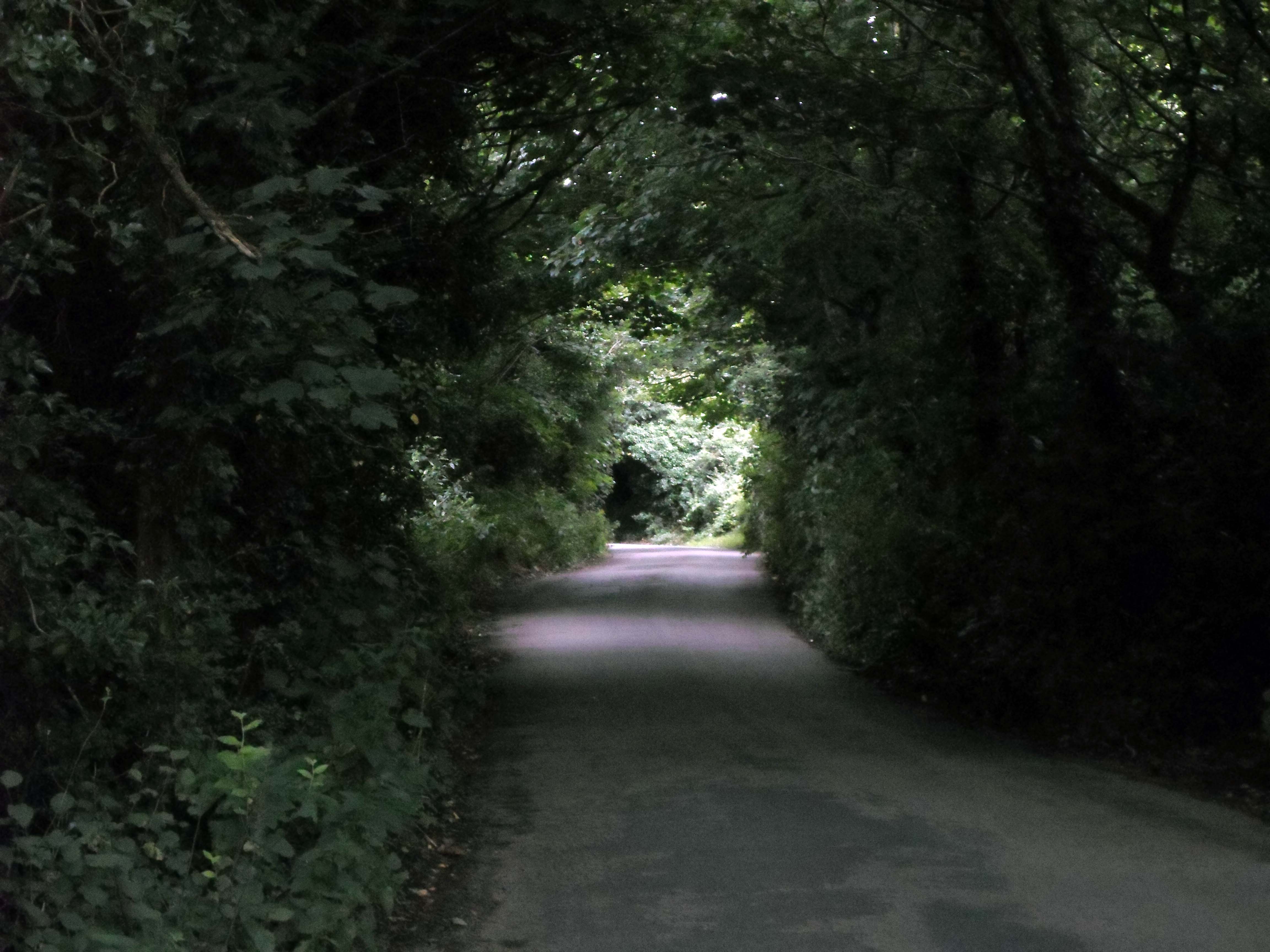
I also knew most of the local community in Crean. The inhabitants worked long and hard maintaining their households and the land accompanying them – a lot of them were run on similar lines to smallholdings and allotments. Many’s the time when we would walk through Crean’s wooded valley and buy home-grown produce from the various roadside stalls. Lots of families grew up there and are still in the vicinity. However, this tough but sustainable lifestyle in now under threat.
Over the past couple of years I have heard some disturbing stories from some of the tenants in Crean valley. Most of the properties there are let by the Tregothnan Estates which is owned by Lord Falmouth. (The Honourable(!) Evelyn Boscawen, is his son who runs things at present until he inherits the title.) In the past there have been opportunities to rent properties from such titled landowners to local people who are financially reliable and willing to maintain the properties. A vacant tenancy would be advertised and interested parties would be able to make bids to rent the property and it wasn’t necessarily the person with the most money who would be successful – it was decided on merit.
Sadly those days appear to be over in Crean as more and more of the tenancies that are coming up for renewal are not being honoured or are being disputed by Tregothnan Estates. Just this morning I heard from a local woman with a young family who was brought up in Crean valley who was seeking a vacant tenancy next door to her mother’s home. Up front she had to be able to supply 2 months rent as a deposit + 1 month’s rent in advance + £350 + VAT for legal fees + £25 for a credit check, the total of which in this case coming to approximately £2,500 – way beyond what the average working mother can afford or provide in Cornwall! Her application was turned down in favour of a couple who did have this kind of money in reserve who wanted to move into Crean just because, ‘they fancied a change – something different’. Nothing wrong with this average middle class couple, but I wonder how they will deal with the vagaries of a Cornish winter in a property that needs windows replacing and the only form of heating/cooking being a temperamental Rayburn!
Obviously because of the insecurity of tenancies, rumour and speculation are rife! However, it appears that the overall plan is to eventually evict all the present occupiers of the valley properties owned by the Estate and renovate them in order to either sell off as second homes, or (more likely) to rent as holiday lets at exorbitant rates. If this happens it will be the end of Crean as a sustainable hamlet as no community can survive when there are no permanent residents.
I find it ironic that the affluent and well-off minorities are now seeking to live in what used to be the peasants and workers dwellings. It will be shameful indeed if this thriving, albeit small, hamlet should be killed off to become a playground for the rich. If the locals have to depart then the excellent St Levan Junior School would have to close too.
I truly wonder whether the men who make these sweeping decisions which affect so many country folk consider what devastation they bring with their avaricious schemes. I doubt it.
If they did consider, would they care? I doubt it.
Are they happy and content as a result? I doubt it.
Down in this neck of the woods, we don’t have much, or own much – but we do appreciate things a whole lot more. We are rich in other ways…
Is there nothing we can do to stop this purging of a much-loved local community in time? Certainly I will do all I can drawing upon my own unique skills. Or will the holidaying Townies have to deal with the haunting of the enraged ancestral spirits of Crean?
Here’s something else that didn’t make it into my book:
In Memory of Mab
I have described in my book, Village Witch how Mab came into my life and the important part she played in it. However, she has since sadly died and life is definitely not the same without her. This is what happened…
Mab was in her 13th year, so was a Grand Old Lady in cat years. One day in the Spring of 2004 she presented with flu’ type symptoms and a few lumps on her back. Then I noticed that her pupils were unequal and off to the vets we went. I came back knowing that Mab’s days were numbered as she had incurable bone cancer. Her demise was rapid as she became blind, and I cancelled all commitments so I could care for her 24/7. Those 3 weeks of quality time with Mab are very precious to me, and also very moving as she followed the sound of my voice at all times. She also took to sleeping with me under the quilt curled up against my tummy – something that was unheard of before.
Then the day I was dreading came. Mab went very quiet and withdrawn and flinched when touched – Mab was in pain. I had promised that once this point was reached that I would release her from pain and suffering, and so I made the phone call to the vets. I specifically asked for a home visit, and fortunately for me, a close friend was with me at the time. On arrival the vet confirmed that Mab was indeed now suffering and prepared the lethal injection. I held Mab close as the anaesthetic was given – she was so weak that she could hardly hold her head up. I was expecting her to just slip quietly away, but that was not to be…
To mine, and everybody else’s horror, she had a bad reaction to the drug and began to fight like a hellcat. It took all my physical and emotional strength to hold on to Mab. Five injections later, she eventually succumbed and died in my arms.
Other friends arrived and helped me to ‘lay her out’ on the hearth where she stayed overnight. Many came to pay their respects, and not all of them human – the cat flap was banging most of the night.
The next day was spent over at Penwith Pet Cemetery where Mab was taken to be cremated. Her ashes are now in a beautiful casket in a place of honour in my cottage. When I die Mab will be buried with me.
The next few days were an agony for me. I felt awful because she fought for life so much. Then, quite by chance, one of my friends came out with a quote from Dylan Thomas that made everything fall into place:
Do not go gentle into that goodnight
Rage! Rage against the dying of the light.
This encapsulated Mab’s experience so well. Mab was such a drama queen; there is no way she would depart quietly. She was going to have a memorable exit!
Another friend sent me a piece of writing that helped tremendously and I include it here so that it may help others who have had similar experiences:
Three weeks ago a Facebook group was set up about my book, Village Witch for anyone who’s interested in the stories behind the story so to speak. Here’s the description and link:
‘This group is for discussion about the book Village Witch, the life and work of Wisewomen. Feel free to ask any questions relating to the book and Village Witchcraft, Folk Magic and work within a village Community.
The emphasis will be on down to earth practical application of Cunning Craft.’
It’s been going well and we now have 70 members. I haven’t been quite sure of what the members would enjoy but certainly for me, some of the comments have triggered off quite a few memories of events and anecdotes that failed to make it to the book – so I’ll talk about a few here and on the group. 🙂
So…about the curious cat. I need to give a bit of background first. Back in the late nineties I was approached by a woman called Carolynn Townsend who ran a group described as: ‘Nature’s Way is a monthly series of talks and events to stimulate the mind, body and spirit.’ It was my pleasure to give talks for this organisation three times whilst it was based in Buckinghamshire. Carolynn and her husband Edward were very warm hosts during my visits and I have to say that I thoroughly enjoyed myself at these functions. Sometimes though I must have appeared a bit like a country bumpkin to some folks I met because there was a great difference in lifestyle/income; but I was never aware of any condescending attitudes from them, just an avid interest in old country ways.
In 2003 Carolynn & Edward relocated to a small but very lively old village in Somerset called Roadwater and she started Nature’s Way again. In 2004 she contacted me again for another talk that October in the village hall…
Roadwater Village Hall
I was walking around outside watching folks arrive, some of them standing around chatting before they took their places for the talk. Out of the night appeared a beautiful grey cat who approached various people in a friendly way and got lots of attention as a result. I could hear folks asking each other whose cat it was as it hadn’t been seen before – this became the subject of some discussion as they all seemed to know everyone and their cat in the community. Soon it was time to start my talk and I waited at the back of the hall to be introduced.
Once in front of my audience I realised that unbeknownst to me, the grey cat had entered the hall and was sitting alert on a chair in the front row! Apparently no-one had the heart to remove the cat and it appeared to be well-behaved, so there it stayed. It watched me walk up and down the space delivering my talk and then came up to me, pawed my leg and meowed. I responded by saying that Question Time was after the break and that it should sit quietly until then. Much to the merriment of the audience, it did just that. During the interval it curled up on its seat until we restarted when it sat up again constantly watching me as I answered queries from the floor. During this time when my attention was elsewhere it must have left the building as I never saw it go. It disappeared into the night just as mysteriously as it had appeared, and to my knowledge has never been seen again.
It was an extraordinary experience and very poignant for me as I had lost my beloved familiar, Mab just 6 months previously who was also a highly intelligent and crafty, grey cat…now I wonder what that cat was all about?
In a moving footnote I learnt that Carolynn sadly died four years later and the village still continue with Nature’s Way in her memory.
Carolynn Townsend
R.I.P. Carolynn – you had a very kind heart and I raise my glass to you. I hope you are having a jolly good time in the Afterlife/Summerlands!
When a controversial polemic is written, heated responses are to be expected. My post entitled A Can of Worms is about the subject of Traditional Witchcraft in general and refers to a local example of this specifically. I have worked on this over the last few months and put a lot of time and effort into my research and learnt a lot. I spent considerable time making sure that this was written in a sensible, non-defamatory way that would be on a par with a review or magazine article. I was hoping for a robust debate around and into the whole subject – but this is the risk you take when you knowingly open up a can of worms – often there are negative reactions to deal with.
However, even though I’m not too surprised that this happened I do need to set the record straight about some incorrect personal accusations that have been directed my way. I will endeavour to keep this brief and to the point.
I do not publicly claim to be a Pellar nor do I consider myself to be a Traditional Witch. I am a Village Wisewoman and I have worked within my village for over 30 years. Nor have I claimed any direct continuity to any form of witchcraft practice.
It was Troy Books that approached me and offered to publish my book.
The ‘initiation’ witnessed was not to become a wisewoman – that rite was performed a couple of years later and not witnessed by any except the Old Ones. This was an act of dedication and the cord shown in the photo is not the same cord as in this rite.
It is true that Jack Daw performed the opening and closing ritual at our Handfasting with the help and interaction of our guests but to my knowledge did not include any writings from Gemma Gary. Our first choice and specifically chosen Celebrant came all the way from Scotland to conduct the rite – I wasn’t aware of any other ritual material being utilised from elsewhere.
It is news to me that I appear to be largely responsible for a revised edition of Traditional Witchcraft. I had assumed that she was updating her book to redress some inaccuracies that had already been highlighted by critical reviews of her original book. As for the Penglaz situation, it would take a small booklet to describe the ins and outs of all of that particularly petty political situation! Suffice to say that the reason given for the rewrite is both unjust and untrue.
Finally I would like to see evidence of these references to a so called ‘extensive web campaign’.
Now we have dealt with the more glaring inaccuracies and personal affronts, let’s concentrate on the response to the subject of the polemic. I suppose I should have expected that only part of my post would be shown on her link thereby lifting it out of context – see link entitled latest published attack (!) Following a few arbitrary and unnecessary insults the response starts off with the disclaimer that I had already referred to in my post.
“It’s really not good enough on one hand to write disclaimers that point towards the idiosyncratic approach of the many and varied magical practitioners in Cornwall; and then affirm and state with authority on practically every page that TCW is what Cornish witches do, and by inference have always done.”
What I am referring to here are the inferences and implications that are suggested within the publications – it’s very difficult to pin it down and maybe I have been clumsy in my attempts to highlight it, but it’s a genuine concern that I have. It’s almost like the disclaimer is thrown in and once that’s in place, it gives full permission to talk about what Cornish witches do with an assertion of authority. If I quoted how often the words Cornish Traditional witch appear together on practically all the pages we’d be here all night! Anyway there’s enough repetition of that phrase to warrant calling it a movement.
As previously stated:“There is much within the self proclaimed TCW to commend it from an aesthetic, evocative and creative point of view” and I have repeated this time after time. Her prose and ritual is beautifully evocative which is why I have been happy to utilise these in various theatre performances to good effect and had encouraged others to do similarly – however, given the circumstances, I think it might be wise to desist from this in the future. Incidentally, it should be realised that just because someone has created some wonderfully imaginative rituals, that doesn’t give them the right to claim monopoly on cord colours or ritual gestures.
I’m not going to bother commenting upon whether it’s good to work with the media or not because that is down to personal opinion, and as a result does not seem pertinent to this debate. However, to suggest that my contract with Troy Books was terminated because of others’ disapproval of interviews I’ve given throws up all sorts of questions.
These apprehensions about certain aspects of Traditional Witchcraft did not spring fully formed from my mind – it was an accumulative thing that grew over the last couple of years as I listened to and observed what was happening around me. Incrementally I began to notice an air of elitism, verbosity and superciliousness creeping into writings and interviews that I read about within Cornish Traditional Witchcraft that did not sit well with me. It is incorrect to state that I did not voice these misgivings because on occasions I did but this was met with awkward silences. So to suggest that this was never discussed is rather disingenuous.
I am saddened that there has been such hostility directed towards my partner as she didn’t write A Can of Worms, I did. Although we are partners it is well known that she doesn’t agree with me on everything! I was prepared for a backlash because of the observed changes of attitude already mentioned above, but I don’t feel it is fair for her to be attacked in this way.
Whilst we are on the subject of attitudes towards others, I find it offensive that in her quote from her blog, academic historians are described in such negative terms. First of all they are treated to the denigrating ‘inverted commas’ that suggest pseudo or so-called; then they are referred to as cold, which is certainly untrue about many that I have met – most of them are very passionate about their subject! Lastly to use the term autistic as a term of abuse is really not appropriate, and is an unfair comment on what is simply a different approach to research.
I have witnessed many negative situations within the Craft and especially the Pagan community which have mostly been driven by a heightened sense of emotionality that can cloud the real issues. The Pagan communities are notorious for back biting and petty jealousies – it’s called ‘Bitchcraft’. It’s not a world I inhabit anymore – my community is my village, my friends and other animals. My practice lies with dealing with everyday problems of ordinary folk and that is my role within my community. I am fortunate enough to be practicing a craft which is of interest to historians and anthropologists so I enjoy discourse with them – there’s a lot we can learn from each other. I also find it very refreshing to talk with people who keep a cool and rational head when discussing contentious issues. I don’t understand why there is this knee-jerk reaction to academic enquiry – if your tradition/craft/practice is genuine it will stand up to scrutiny. To me witchcraft is so pragmatic and down-to-earth; I don’t understand why all these confusing terms have crept into common or garden everyday folk magic/care in the community. In a sense I come from the Granny Weatherwax mindset and I ‘can’t be doing with’ all this fuss and bother – I’m not interested in ‘winning’, I’m concerned with doing ‘what’s right’. In one sense, I don’t care a jot what tradition people follow so long as they are following their heart and spirit rather than their egos; however I would prefer it if I wasn’t looked down upon by others for doing this.
I can’t predict what will happen as a result of this, but at least the worms are free rather than being cooped up in a tin – and maybe I should have taken more notice of the label ‘Handle with Care – Could be Poisonous!’
Note to Self: I really must try to stop ‘lurking’ in my photos in the future… 🙂
There has been a somewhat reactive response to A Can of Worms that contains some gross inaccuracies but nevertheless needs to be addressed to put the record straight. I will attempt to respond soon, however I also have to bear in mind that I need to prepare myself for surgery in hospital within the next few days, so it may take a little longer.
What follows is a supplement to ‘Village Witch’ that was omitted as it was considered to be possibly too controversial for publication at this point.
These are my thoughts and feelings around the subject of Traditional Witchcraft, bearing in mind that I am not a Traditional Witch in the generally accepted sense. It is simply my opinion which folks are free to agree or disagree with as they choose.
Taken at Zennor by Angie Latham
An Addendum
aka A Can of Worms
Having always been a curious and avid observer of life and people, I have watched how society has changed in a myriad of ways and not all of them good. I am fully aware of the fact that I have become a grumpy old witch and feel entitled to moan about some things I mourn the loss of – like common sense that appears to be rarer and less common as the years go by.
I have also been somewhat bewildered by some of the changing trends, certainly within witchcraft in particular. When I first put pen to paper in my book over ten years ago, there was a popular trend of shamanism that I alluded to, along with an eclectic style of Wicca. This has subsequently been rejected by the more serious magical practitioners following academic scrutiny by historians and anthropologists who have more than adequately revealed that there is no line of continuity of organised witchcraft within Wiccan tradition. What appears to have replaced this instead is something called Traditional Witchcraft.
Traditional Witchcraft means a lot of different things to a lot of different people, depending on your point of view and where you live. If for instance you use the term Traditional Witch in the USA you probably would be referring to a British Wiccan from ‘The Old Country’ who adheres to what they conceive to be a British witchcraft tradition. When I was younger, a Traditional Witch would be a person who claimed a direct hereditary link within the family – later on that term was utilised by Wiccans to describe a direct coven link to either Alex Sanders (Alexandrian) or Gerald Gardner (Gardnerian).
As the years went by the demand for historical accuracy was increasing – and rightly so in my opinion. I’ve always recognised that there is a tendency to romanticise the past in some people, along with the feeling that ancientness and historicity somehow validates things. Alas, it certainly is not always the case with others as there seems to be an active dislike of any academic enquiry into their practices and claims, and they baulk at any scrutiny by historians and anthropologists. What is usually trotted out is the clichéd “Absence of evidence isn’t evidence of absence’ or claim that oral tradition accounts for any discrepancies. All well and good, but it must be backed up with documented evidence. Oral traditions aside, we all know what happens when a story is passed on – with each re-telling the tale is embellished even more until sometimes what remains bears very little resemblance to what was there in the first place!
However, there is an area that has been well documented and that is within the folk magic practices of the cunning folk, and this is where the next movement within witchcraft began to emerge.
“Given the current climate of debates that argue against Gardnerian orthodoxies and state that there is no historical evidence for organized, religious witchcraft, it appears that one way of reconceptualizing continuity is through claims to the professional and craft-based practices of cunning folk.”[1]
also
“In the face of increasingly intractable doubts concerning Gardner’s Wiccan origins, modern pagans have been forced to reconsider the historicity of their beliefs; many abandoned Gardner’s account and alighted on another: upon a spiritual ancestry and praxis focused around the historically certain low-magic practitioners known as cunning-folk.” [2]
I think it is fair to say that in general the practices of cunning folk were confined to the peasant or working class, mainly due to the fact that they couldn’t afford the services of doctors and vets. This is not to say that the gentry and/or middle classes did not consult these practitioners because on occasion they did, but the majority of their clients could be found amongst ordinary townsfolk, the farming community and villagers. This is why it is surprising for me to see how, what can only be termed as a somewhat elitist approach, seems to be developing within some branches of Traditional Witchcraft nowadays.
This can show itself within a style of language that is peppered with Latin phrases and deliberately obscure words, which unfortunately runs the risk of sounding very pretentious. I know the importance of Latin in certain specific situations, for instance it is very useful to have these terms within say, medicine or botany where they are used to classify and identify different species. However, its use in communicating about what used to be called ‘peasant magic’ is at best condescending and at worst pompous and arrogant. Upon enquiring about this tendency to some ‘Trad’ witches, I have been informed that if people don’t understand what is being said, then they are not meant to! There are many revered books, grimoires and publications out there which come from this point of view, and I am left bemused as to why on earth anyone would attempt to write anything that the average person didn’t have a hope of understanding without the help of a good dictionary!
Now, although I know that in the past cunning folk did rely a lot on impressing clients with their apparent book knowledge and openly referring to occult books in their presence, I really don’t think they would have got very far if they were unable to communicate in a language that their clients understood. Maybe this movement of Traditional Witchcraft isn’t so concerned with the needs of the community anymore? Perhaps it is all ‘talk’ and no ‘walk’? I know that when I first started on my crooked path towards witchcraft and began to understand more about how simple magic can work, I wanted to share that by helping others – I’ve always had a strong vocational streak within me. I needed my clients to easily understand me so that I could help them find solutions to their problems. However, not everyone is like this and all too often overblown egos step in and try to take over, turning a pragmatic service to the community into some sort of secret fraternity with an arcane language that only true followers will understand!
I don’t want the Reader to get the wrong idea – I have nothing against others’ beliefs and practices, as mentioned before, I fully support diversity. I’d also like to state here for the record, that I have met and communicated with many wise and experienced folk who consider that their work, or to use the latest buzz word ‘praxis’, is called Traditional Witchcraft, and who welcome stringent examination of anything to do with the ‘Old Ways’. They’ve also managed to do this without falling into the trap of fantasising and thereby fabricating the past.
However, I have a very strong adverse response to those who claim that their way, or in this case tradition, has authenticity without any evidence of historical precedence. Given the way I am, you can imagine my reaction when I found out that there was just such a movement created, not only down here in West Cornwall, but within my own village calling itself Traditional Cornish Witchcraft (TCW)!
Whilst I would agree that there are a lot of Cornish traditions within our local folklore and indeed many tales of witchcraft, there has never been anything before called Traditional Cornish Witchcraft. This is in essence a modern invention that, if the accompanying publications are anything to go by, claims continuity and ancientness but has no historical references within the text to back this up. The occasional passing reference to the 19th century folklorists William Bottrell and Robert Hunt’s literature does not carry sufficient academic weight to be considered proof of historical tradition. It’s really not good enough on one hand to write disclaimers that point towards the idiosyncratic approach of the many and varied magical practitioners in Cornwall; and then affirm and state with authority on practically every page that TCW is what Cornish witches do, and by inference have always done. A perfect example of this is where reference is made to one isolated incidence of witch bottles being found buried by a stone cross in North Cornwall. This has been extrapolated and elaborated upon to become a West Country Tradition. TCW statements referring to the way the ‘Old Cornish’ used to do this and that are not only vague but as irritating as that smokescreen term ‘Lost in the Mists of Time….’ What is wrong with writing things like “I would like to believe” or “Maybe this was the way that practitioners in the past worked”? At least then readers are clear about what is being said or imagined and can make their own minds up, which is infinitely better than a rather woolly subterfuge.
I have absolutely no problem with anyone who wants to start their own traditions – choosing local spirits as their deities, creating their own liturgy and vocabulary for their magical gatherings and building a body of knowledge that is inspired by the local environment. There is much within the self proclaimed TCW to commend it from an aesthetic, evocative and creative point of view, but however beautifully embroidered, it cannot in all honesty be referred to as Traditional Cornish Witchcraft and be viewed as a specific Craft that has evolved from the past. This basically is style over substance. The word Traditional is misleading by intimating that it is something that has been handed down from one practitioner to another, and the use of the term Cornish in this context is purely geographical as there is very little in this practice of folk magic that makes it essentially Cornish, or indeed different from folklore magic anywhere else in Britain.
“As the congruence of ethnic and ‘outsider’ approaches … has recently found its strongest statement within the modern pagan community in Cornwall with the emergence in this last decade of a self-styled ‘Traditional Cornish Witchcraft which claims for itself the continuation of pre-modern, vernacular witch beliefs and practices…Its progenitor having been born in Kent, moving to Cornwall only in the late 1990s.”[3]
It appears that Traditional Cornish Witchcraft was specifically set up to fill a void noticed by the founder of this term.
“She had made contact and entered into friendship with Traditional Witches in other areas of Britain and worked as a solitary Witch in Cornwall with a view to reviving the ways of the Cornish Craft. She researched Cornish folklore, traditions and seasonal customs, looking for clues to the practices and beliefs of Cornish Paganism and Witchcraft…Through her contact with practitioners elsewhere in Britain saw how the Traditional, regional Crafts were maintained with much more enthusiasm than was the case in Cornwall. Whilst Cornwall had a rich heritage of Craft lore, there were very few Pagan and magical folk in Cornwall with an interest in, or awareness of, Cornish Witchcraft traditions.”[4]
Although I think I have said enough on this subject for now, I may well continue my exploration of the strange and ever shifting world between facts, folklore and fantasy…now there’s a potential title for future writing methinks!
[1] Helen Cornish, “Cunning Histories: Privileging Narrative in the Present”
[2] Jason Semmens, “Bucca Redivivus: History, Folklore and the Construction of Ethnic Identity within Modern Pagan Witchcraft in Cornwall”
I’m delighted to announce the publication of my book by Mandrake of Oxford. It contains the same text as previously but with new artwork and photos by local Cornish artisans, Kymm Sandum and Peter Carter. Many thanks to all who helped get this publication off the ground. 🙂
A Kindle version of Village Witch has now been created and can be purchased from the same link.
Do you ever come out with something in conversation with others that surprises you in its wisdom? It’s not necessarily thought through, or even thought of before, but sometimes it can stop you in your tracks – I did this the other day and it got me thinking.
We were talking about happiness. I said that happiness was something that is elusive because it comes and goes – the more we pursue it, the more it eludes us. I was recounting that it wasn’t until I had reached a point in life where I was contented that I was able to stop pursuing my dreams of happiness. Only then did I realise that joy and happiness is something that needs to be experienced in the here and now and then set free so that it can come back again – a bit like the tides of the sea I suppose.
The mistake that a lot of folks make (including myself) is to try and capture that moment and hang on to it like grim death so that it doesn’t escape – or constantly relive it over and over again. I’m not saying that having loving memories is a wrong thing, but if there is fear attached through trying to revive the experience then I feel that we are missing out on the spontaneous expression of the wonder of life.
It’s a bit like chasing a butterfly – you can net it, capture it and put it in a jar or clutch at it and crush it – it generally won’t survive such treatment. However, if a butterfly does decide to alight on you, which has often happened to me whilst sitting quietly in gardens…admire it in it’s wonderous beauty and leave it free to fly away. Generally speaking butterflies don’t live very long – just long enough to reproduce another generation.
So, maybe we’d all be a lot better off if we can rather aim for contentment which is a steadier more comfortable feeling and let happiness come and go as it will, rather than imprison it through fear and anxiety.
You can now no longer order Village Witch from Troy Books as they have ceased its publication.
We are currently working on a new edition as most of the photographs, all of the illustrations and also the painting on the book cover have been withdrawn by their creators.
We are in the process of replacing these and making the book more in keeping with the type of person I am and the energies I work with.
October 2nd 2012
Be Aware: For all of you who have already bought my book, ‘Village Witch’ – congratulations! It’s about to become a Limited Edition in it’s present form with Troy Books. So for those who may have considered getting a copy, make sure you purchase it before the cut off date of January 2nd 2013. Hopefully it will be printed by a new publisher in the future. Watch this space!
I haven’t written in this blog for quite a while as I had to deal with some health issues regarding my eyes. I’ve also had time to think deeply and consider, or maybe reconsider, some life decisions.
As we approach the end of this year of 2012 it’s a time when many look back on what the year has brought and indeed taken away. For myself, and for many people I know, it has been a time of letting go of what is outworn or is no longer serving its purpose – almost a time of culling in order to make way for the new life that is yet to be.
Although sometimes this necessary ‘shedding’ is initially painful, distressing and sometimes shocking, ultimately it brings clarity as the extraneous can often cloud our conceptions of what exactly is happening and why. This is why we sometimes need a dramatic crisis to shake us out of complacency and into what needs to be changed and ultimately transformed. Personally speaking, as so much of what I now realise is debris has been cleared, it reveals what is truly important to me – my commitment to my village and community.
I thought that when I retired as village wisewoman of Buryan that I would be able to ease back and just be at hand to advise and help when necessary. What I now realise is that being a village wisewoman is a lifelong commitment and that it’s just not possible to sit back and not get involved. Whilst I will not be working in full-time self employment anymore, so in the eyes of the Inland Revenue I am officially retired, that vocational urge to be there for my village or anyone who needs genuine help will remain until I die.
On Friday 28th December it was a Full Moon – the most potent of the year as it was in its own sign of Cancer. I went out late at night and slowly and purposefully walked the boundaries of the village, acknowledging the spirits of the five, ancient roads that meet around the church as I went. I hadn’t walked the village limits for many years and I noted that the old boundaries had now extended in order to incorporate the slowly expanding village housing. Nevertheless, it remained a powerfully, evocative experience and it was fascinating to notice the differing responses I was picking up at each of the roads. Later on that night the rising energies I was sensing culminated in a wild storm which left a strong sense of catharsis.
So as a direct result of this I will remain in service to my immediate community alongside my very able partner, Laetitia and together we will endeavour to continue to fulfill our commitment to our clients with authenticity and integrity.







 Grumpy Old Witchcraft